Walkout Basement in Brampton: Design, Functionality, and Local Considerations

A Walkout Basement in Brampton has become an increasingly discussed feature in residential design, particularly as homeowners look for ways to expand livable space without altering the main footprint of their homes. Unlike conventional basements that sit entirely below ground, a walkout basement opens directly to the outdoors, offering light, access, and flexibility that traditional basements often lack.

Understanding how a walkout basement works, when it is suitable, and what factors matter in Brampton’s local context can help homeowners make informed planning decisions.

What Defines a Walkout Basement?

A Walkout Basement in Brampton refers to a basement level where at least one side of the foundation is exposed enough to allow a full-height exterior door that opens directly onto grade. This design typically occurs on properties with a natural slope, where the land drops away from the rear or side of the house.

Unlike standard basements that rely primarily on artificial lighting, a walkout basement benefits from natural daylight and outdoor visibility. This difference significantly changes how the space feels and how it can be used.

Why Walkout Basements Are Relevant in Brampton

Brampton’s residential landscape includes a mix of older neighborhoods, newer developments, and properties with varying lot elevations. These conditions make a Walkout Basement in Brampton both feasible and practical in many areas.

As housing needs evolve, homeowners are placing greater emphasis on adaptability—spaces that can serve multiple purposes over time. A walkout basement supports this goal by offering a layout that feels less isolated from the rest of the home and the outdoors.

Natural Light and Livability

One of the most significant advantages of a Walkout Basement in Brampton is access to daylight. Full-size windows and glass doors allow sunlight to reach areas that would otherwise feel enclosed. Natural light improves comfort, reduces dependence on artificial lighting during the day, and contributes to better indoor ambiance.

Because the space feels brighter and more open, homeowners are more likely to treat the basement as a primary living area rather than a secondary or storage zone.

Direct Outdoor Access

The defining feature of a Walkout Basement in Brampton is its ability to connect the interior space directly with the exterior. This access can lead to a backyard, patio, garden, or landscaped area, making the basement a seamless extension of outdoor living.

This design is particularly useful for households that value private entrances, backyard access, or functional separation between different living zones within the same home.

Functional Uses of a Walkout Basement

A Walkout Basement in Brampton offers flexibility that standard basements cannot easily match. Some common non-promotional, practical uses include family rooms, recreation rooms, home offices, guest accommodations, and independent living areas with separate access.

Property Value and Long-Term Utility

While a Walkout Basement in Brampton may involve higher initial construction or renovation costs, it often adds long-term functional value to a property. Buyers typically view walkout basements as premium features because of their flexibility, brightness, and accessibility.

Site Conditions and Lot Suitability

Not every property is equally suited for a Walkout Basement in Brampton. Naturally sloped lots are ideal. On flatter lots, excavation, retaining walls, and engineered drainage systems may be required.

Structural and Engineering Factors

A Walkout Basement in Brampton involves modifications to foundation walls, which must be handled carefully to maintain structural integrity. Professional structural assessment ensures soil pressure, frost movement, and load distribution are properly managed.

Drainage and Moisture Control

Moisture management is critical in a Walkout Basement in Brampton. Proper grading, waterproof membranes, drainage systems, and sump pumps reduce long-term water risks.

Local Building Regulations and Permits

Any Walkout Basement in Brampton must comply with local building regulations and the Ontario Building Code. Permits are required for structural changes, exterior doors, and egress modifications.

Walkout Basements and Secondary Units

Many homeowners consider a Walkout Basement in Brampton for secondary living units. Additional requirements include safe entrances, fire separation, proper ceiling heights, and legal egress.

Design Considerations for Comfort and Efficiency

Lighting, insulation, sound control, and layout planning play major roles in making a Walkout Basement in Brampton comfortable and functional.

Challenges and Limitations

A Walkout Basement in Brampton may involve higher upfront costs, complex engineering, drainage responsibility, and longer approval timelines.

Conclusion

A Walkout Basement in Brampton transforms an underused space into a functional living environment. With proper planning, structural integrity, and regulatory compliance, it offers long-term value, adaptability, and improved quality of life.

Fast Permit Drawings in Brampton: Process, Importance, and Practical Insights

In residential and small commercial construction, permit drawings play a critical role in turning ideas into legally approved projects. In recent years, the demand for Fast Permit Drawings in Brampton has increased as homeowners and builders seek quicker approvals without compromising accuracy or compliance. Understanding what permit drawings involve, why speed matters, and how the local approval system works can help project owners plan more efficiently.

This guide explains the concept of fast permit drawings from a practical, regulatory, and planning perspective, with a focus on Brampton’s municipal environment.

What Are Permit Drawings?

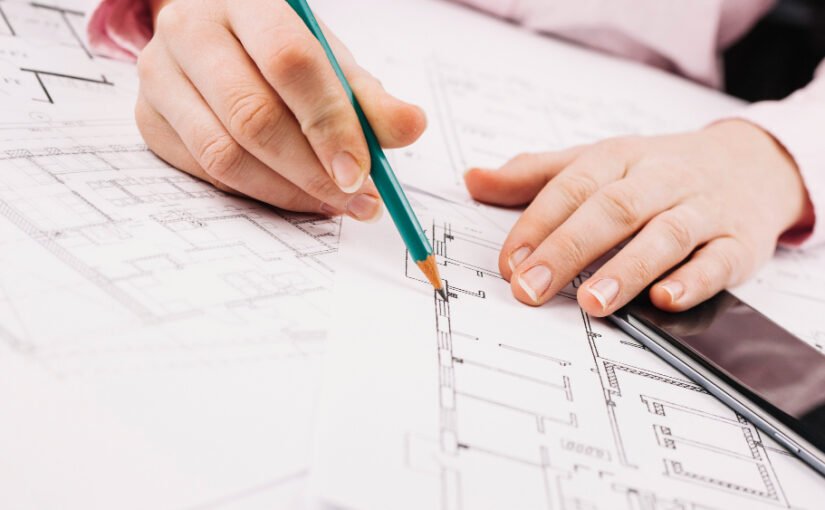
Permit drawings are technical documents submitted to a municipality to obtain approval before construction or renovation begins. For Fast Permit Drawings in Brampton, these drawings must clearly demonstrate that a proposed project complies with zoning bylaws, the Ontario Building Code, and local development regulations.

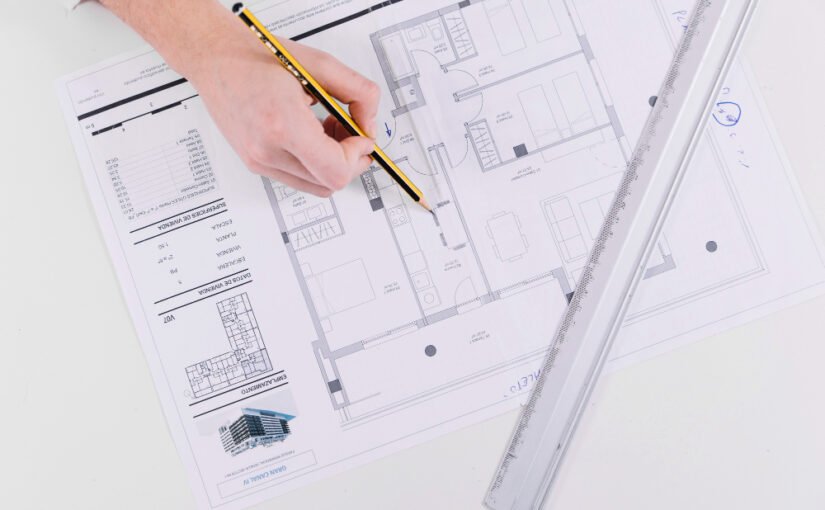
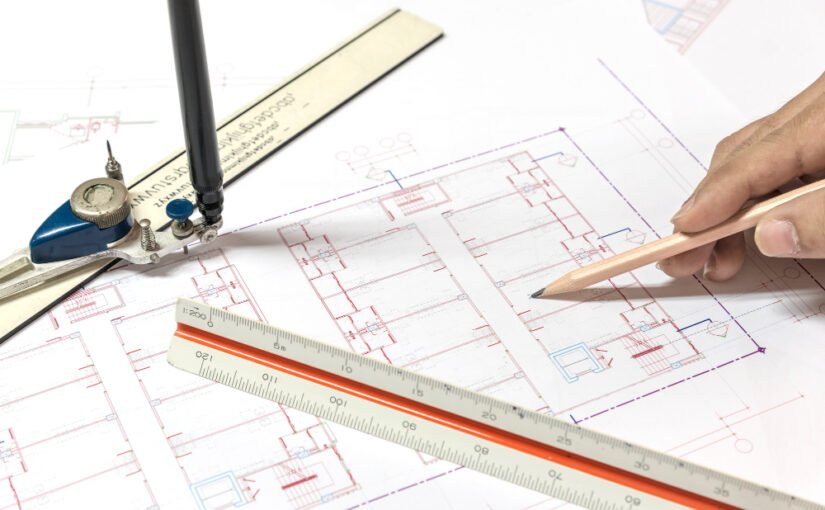
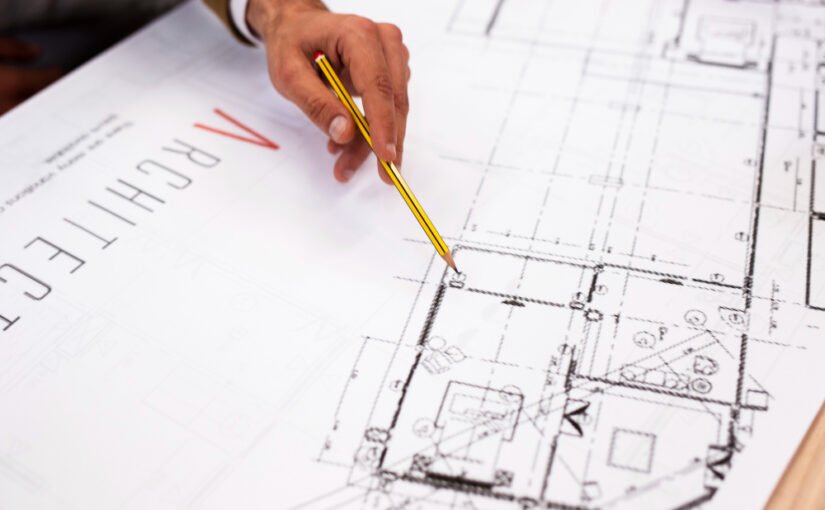
Permit drawings typically include site plans showing property boundaries and setbacks, floor plans with dimensions and room usage, elevations illustrating building height and exterior changes, structural details where applicable, and notes referencing applicable building code provisions.

These documents are not design concepts or decorative drawings. Their purpose is regulatory clarity and technical accuracy.

Why Speed Matters in Permit Drawings

The growing interest in Fast Permit Drawings in Brampton is driven by practical constraints. Delays in permit approval can lead to increased costs, missed construction windows, and scheduling conflicts with contractors.

Faster permit drawings help reduce idle time before construction starts, align approvals with seasonal building conditions, prevent cascading delays across multiple trades, and allow homeowners to meet financing or occupancy timelines.

However, speed must not come at the expense of correctness. Incomplete or inaccurate drawings often result in municipal review comments, which can slow the process more than a careful but efficient initial submission.

Brampton’s Permit Review Environment

The City of Brampton reviews permit applications through its building and planning departments. Any submission under Fast Permit Drawings in Brampton must address both zoning compliance and building code requirements.

Zoning review evaluates factors such as building setbacks, lot coverage, height restrictions, and use permissions. Building code review focuses on safety, structural integrity, fire protection, and accessibility.

What Makes Permit Drawings “Fast”

The term Fast Permit Drawings in Brampton does not mean rushed or careless work. Instead, it refers to drawings prepared efficiently through structured processes, experience with local bylaws, and accurate documentation from the outset.

Key characteristics include clear labeling and dimensioning, correct zoning data applied at the beginning, accurate representation of existing and proposed conditions, and logical organization that aligns with municipal review standards.

Common Projects Requiring Permit Drawings

Several types of projects frequently rely on Fast Permit Drawings in Brampton due to tight timelines. These include basement finishing and secondary units, interior renovations involving structural changes, additions to existing homes, decks, porches, accessory structures, and garage conversions or extensions.

The Role of Accurate Site Information

One major factor influencing the speed of Fast Permit Drawings in Brampton is the quality of site information. Inaccurate measurements, outdated surveys, or missing property details often cause delays.

Essential site data includes property dimensions, existing building footprint, distance to property lines, and utility locations. When this information is precise, drawings can be completed and reviewed more efficiently.

Zoning Compliance and Early Checks

Zoning issues are among the most common reasons permit applications are delayed. For Fast Permit Drawings in Brampton, early zoning verification is critical.

This includes checking maximum permitted floor area, minimum required setbacks, height limitations, and lot coverage percentages. Resolving zoning conflicts after submission often requires revisions or variances, which significantly extend timelines.

Ontario Building Code Considerations

Beyond zoning, Fast Permit Drawings in Brampton must reflect compliance with the Ontario Building Code. This includes minimum ceiling heights, stair dimensions and headroom, fire separation requirements, egress and exit access, and structural load paths.

Drawings that clearly reference code-compliant dimensions reduce the likelihood of reviewer comments.

Digital Submission and Workflow Efficiency

Modern permit processes often rely on digital submission platforms. For Fast Permit Drawings in Brampton, digital workflows improve efficiency by allowing faster review, clearer markups, and easier resubmission if revisions are needed.

Well-organized digital files typically include consistent naming conventions, scaled drawings in accepted formats, and clear revision dates and notes.

Common Causes of Permit Delays

Understanding what slows permits helps explain the value of Fast Permit Drawings in Brampton. Common issues include missing dimensions or notes, conflicting information between drawings, non-compliant zoning assumptions, unclear existing versus proposed conditions, and incomplete structural details.

Residential vs. Small Commercial Permits

While most discussions around Fast Permit Drawings in Brampton focus on residential projects, small commercial renovations also rely heavily on efficient permit documentation.

Commercial drawings may require additional considerations such as occupancy classifications, fire separation between uses, barrier-free access requirements, and mechanical and electrical coordination.

Cost Efficiency Through Proper Drawings

Although fast permit drawings are often associated with time savings, they also contribute to cost control. Fast Permit Drawings in Brampton reduce indirect expenses caused by delays, redesigns, or contractor rescheduling.

Clear drawings also minimize misunderstandings during construction, reducing the likelihood of costly changes once work has started.

Homeowner Responsibilities in the Process

Even with Fast Permit Drawings in Brampton, homeowners play a role in maintaining efficiency. Providing timely information, confirming scope details early, and responding quickly to clarification requests all help keep the process moving.

Permit drawings are collaborative documents that depend on accurate input from property owners.

Long-Term Value of Proper Permit Documentation

Beyond approval speed, Fast Permit Drawings in Brampton contribute to long-term property value. Approved drawings become part of the official building record and may be required during resale, refinancing, or insurance reviews.

Well-prepared permit documents demonstrate compliance and professionalism, reducing future legal or administrative complications.

Balancing Speed and Accuracy

The central principle behind Fast Permit Drawings in Brampton is balance. Speed alone does not guarantee approval. Accuracy, clarity, and regulatory alignment are what ultimately result in faster outcomes.

Efficient workflows, local knowledge, and attention to detail allow permit drawings to move through the approval process with fewer interruptions.

Conclusion

Fast Permit Drawings in Brampton are not about cutting corners. They are about understanding regulations, preparing clear documentation, and anticipating municipal review requirements. In a growing city where construction activity is constant, efficient permit drawings help projects move forward with confidence.

Hydraulic Calculations in Brampton: A Foundational Guide for Building Compliance

As urban development and infrastructure projects continue to expand in Brampton, technical accuracy in building design has become increasingly important. Among the many engineering requirements involved in construction and renovation, Hydraulic Calculations in Brampton play a critical role in ensuring safe, efficient, and code-compliant water and drainage systems. These calculations are not limited to large commercial developments—they are equally relevant for residential, industrial, and mixed-use projects.

This guide explains what hydraulic calculations involve, why they are required in Brampton, and how they influence approvals, performance, and long-term reliability of building systems.

What Are Hydraulic Calculations?

Hydraulic calculations are engineering computations used to determine how fluids—primarily water—move through piping systems. In building design, these calculations assess factors such as flow rate, pressure loss, pipe sizing, and drainage capacity.

In the context of Hydraulic Calculations in Brampton, these assessments ensure that plumbing, stormwater, and sanitary systems function effectively while meeting municipal and provincial regulations.

Why Hydraulic Calculations Matter in Brampton

Brampton’s building approvals process places strong emphasis on infrastructure capacity and public safety. Improperly designed systems can result in flooding, backflow, pressure loss, or system failure.

Hydraulic calculations in Brampton help to:

Ensure adequate water supply and pressure

Prevent sewer backups and surface flooding

Support fire protection system performance

Demonstrate compliance with municipal standards

Reduce long-term maintenance issues

These calculations provide measurable assurance that a system will perform as intended under real-world conditions.

Regulatory Framework Governing Hydraulic Calculations

Hydraulic calculations in Brampton must align with several regulatory layers, including:

Ontario Building Code (OBC)

The OBC sets minimum standards for plumbing, drainage, and fire protection systems. Hydraulic calculations are often required to verify compliance with Parts 7 and 9 of the code.

City of Brampton Engineering Standards

Municipal guidelines dictate acceptable flow rates, pipe materials, stormwater management practices, and connection requirements.

Conservation Authority Requirements

For certain developments, calculations may also need to address runoff control and environmental impact.

Together, these regulations define how hydraulic calculations in Brampton must be prepared and documented.

Types of Hydraulic Calculations Commonly Required
1. Domestic Water Supply Calculations

These calculations determine pipe sizes and pressure requirements to ensure consistent water delivery throughout a building.

2. Sanitary Drainage Calculations

Sanitary hydraulic calculations in Brampton evaluate wastewater flow volumes to confirm that drainage systems can handle peak usage without surcharge.

3. Stormwater Management Calculations

Stormwater hydraulic calculations assess rainfall runoff, roof drainage, and site grading to prevent flooding and erosion.

4. Fire Flow and Sprinkler Calculations

Hydraulic calculations are essential for fire protection systems, ensuring adequate water pressure and flow during emergencies.

Each type addresses a specific system but contributes to overall building performance.

Hydraulic Calculations for Residential Projects

Even small-scale residential projects may require hydraulic calculations in Brampton. Examples include:

Secondary dwelling units

Basement conversions

Home additions

Multi-unit residential buildings

These calculations confirm that existing municipal services can support the added demand without compromising safety or performance.

Hydraulic Calculations for Commercial and Industrial Developments

Larger developments typically require more complex hydraulic calculations in Brampton due to:

Higher water demand

Larger drainage areas

Fire suppression system requirements

On-site stormwater retention systems

Detailed calculations help planners and reviewers assess whether proposed systems integrate effectively with city infrastructure.

Key Components of Hydraulic Calculations

Hydraulic calculations in Brampton generally include:

Pipe diameter and material selection

Flow velocity and volume

Pressure loss due to friction

Elevation changes

Peak demand scenarios

Safety factors

These elements are clearly documented to allow engineers and municipal reviewers to verify accuracy.

Role of Hydraulic Calculations in Permit Approvals

During permit review, the City of Brampton evaluates hydraulic calculations to ensure that proposed systems meet regulatory standards. Incomplete or incorrect calculations often lead to:

Application delays

Revision requests

Additional review cycles

Accurate hydraulic calculations in Brampton streamline approvals by demonstrating compliance upfront.

Common Errors in Hydraulic Calculations

Some of the most frequent issues encountered include:

Incorrect assumptions about flow rates

Undersized piping

Failure to account for peak demand

Missing documentation or supporting data

Avoiding these errors is critical, as even minor discrepancies can impact approval timelines.

Hydraulic Calculations and Long-Term Performance

Beyond approvals, hydraulic calculations in Brampton contribute to long-term system reliability. Properly designed systems:

Reduce risk of leaks and failures

Minimize maintenance costs

Improve occupant comfort

Enhance fire safety readiness

Well-calculated systems also adapt better to future modifications or expansions.

Sustainability and Water Efficiency Considerations

Modern hydraulic calculations increasingly incorporate sustainability goals, such as:

Water-efficient fixture planning

Rainwater management

Reduced runoff impact

Optimized pipe sizing to minimize waste

In Brampton, these considerations support broader environmental and infrastructure objectives.

Integration with Architectural and Structural Design

Hydraulic calculations in Brampton do not exist in isolation. They must align with:

Architectural layouts

Structural constraints

Mechanical systems

Coordination ensures that pipes, drains, and equipment fit seamlessly within the building design.

Documentation and Reporting Standards

Clear documentation is essential. Hydraulic calculation reports typically include:

Design assumptions

Calculation methodologies

Diagrams and flow charts

Compliance references

These reports allow city officials to review, verify, and approve proposed systems efficiently.

Final Thoughts

Whether for residential renovations or large-scale developments, Hydraulic Calculations in Brampton form a critical part of safe, compliant, and efficient building design. They bridge engineering theory and practical application, ensuring that water and drainage systems perform reliably under real-world conditions. Understanding their purpose and scope helps property owners, designers, and developers navigate the approval process with greater confidence.

Second Unit Basement Drawings in Brampton: A Complete Homeowner Guide

With housing demands increasing across the Greater Toronto Area, many homeowners are exploring ways to maximize the usable space within their existing properties. One of the most effective solutions has been the creation of a legal second unit in the basement. In Brampton, this option not only offers rental potential but also provides flexible living arrangements for extended families. However, before construction begins, one critical step determines the success of the entire process: preparing accurate and compliant Second Unit Basement Drawings in Brampton.

About Arc Line Design

For homeowners seeking professionally prepared Second Unit Basement Drawings in Brampton, Arc Line Design provides drawing services aligned with Brampton zoning bylaws and Ontario Building Code requirements, supporting smoother permit approvals and compliant basement conversions.

This guide explains what these drawings involve, why they matter, and how they align with local regulations—without focusing on sales or promotion.

Understanding Second Units in Brampton

A second unit refers to a self-contained residential dwelling within a single detached, semi-detached, or townhouse property. It typically includes a separate entrance, kitchen, bathroom, and sleeping area. In Brampton, second units must comply with zoning bylaws, the Ontario Building Code, and local fire safety regulations.

Second unit basement drawings in Brampton serve as the technical blueprint that communicates how the proposed unit will meet these requirements. These drawings are not optional—they are essential documents reviewed by municipal authorities during the permit approval process.

Why Basement Drawings Are Crucial

Many homeowners assume drawings are simply floor plans. In reality, second unit basement drawings in Brampton are detailed technical documents that demonstrate compliance with structural, fire, plumbing, electrical, and life-safety standards.

These drawings help:

Prevent costly construction errors

Ensure legal approval from the City of Brampton

Align contractors, inspectors, and homeowners on the same scope

Reduce delays during inspections

Without accurate drawings, permit applications are often rejected or delayed.

What Is Included in Second Unit Basement Drawings in Brampton?

1. Existing and Proposed Floor Plans

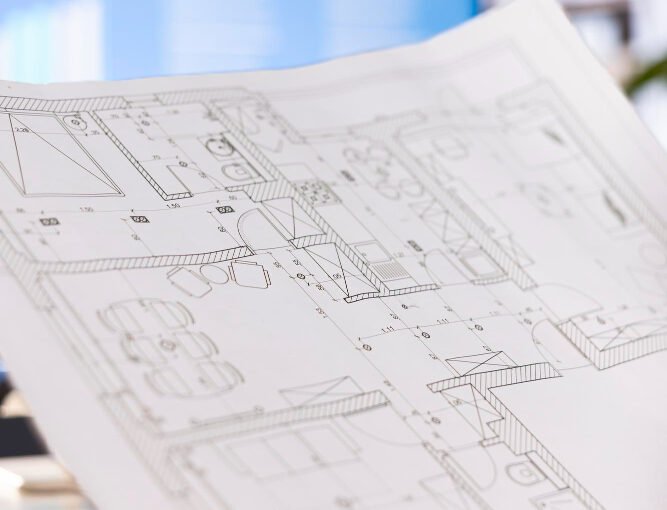
These plans show the current basement layout and the proposed second unit configuration. They include room sizes, wall locations, door swings, and circulation paths.

2. Ceiling Heights and Structural Details

Minimum ceiling height requirements must be met. Drawings clearly indicate slab-to-ceiling measurements, beam locations, and any bulkheads.

3. Fire Separation Details

Fire-rated assemblies between units are mandatory. Second unit basement drawings in Brampton include:

Fire-rated drywall specifications

Sound separation requirements

Fire blocking and draft stopping

4. Egress and Exit Plans

Each bedroom must have proper egress windows or access to exits. Window sizes, sill heights, and exit paths are all clearly documented.

5. Plumbing and Drainage Layouts

Drawings identify:

Bathroom and kitchen fixture locations

Drain slopes and venting

Backwater valve placement, if required

6. Electrical Layouts

These plans outline:

Lighting placement

Smoke and carbon monoxide detectors

Panel upgrades or sub-panels

7. Mechanical Systems

Heating, ventilation, and air distribution systems are illustrated to ensure adequate airflow and independent temperature control where required.

Zoning Considerations in Brampton

Before preparing second unit basement drawings in Brampton, zoning compliance must be evaluated. Not all properties automatically qualify for a second unit.

Key zoning considerations include:

Minimum lot size and frontage

Parking space requirements

Maximum unit size relative to the main dwelling

Entrance placement

Drawings must reflect these zoning constraints accurately to avoid permit rejection.

Ontario Building Code Requirements

Second unit basement drawings in Brampton must follow Ontario Building Code (OBC) standards, particularly Part 9 for residential construction.

Important OBC aspects addressed in drawings include:

Fire resistance ratings

Spatial separation

Sound transmission class (STC) ratings

Life safety systems

Municipal reviewers rely heavily on these drawings to confirm compliance.

Fire Safety and Life Safety Planning

Fire safety is one of the most scrutinized aspects of second unit basement drawings in Brampton. The drawings must demonstrate:

Proper fire separation between units

Interconnected smoke alarms

CO detectors near sleeping areas

Safe exit routes

Failure to clearly show these elements often leads to multiple revision requests from the city.

Permit Application Process in Brampton

Once second unit basement drawings in Brampton are completed, they are submitted as part of the building permit application.

The review process typically involves:

Zoning review

Building code compliance check

Fire safety review

Mechanical and plumbing evaluation

Well-prepared drawings significantly reduce approval timelines and inspection issues.

Common Mistakes Homeowners Make

Despite good intentions, homeowners often encounter setbacks due to drawing-related issues.

Common errors include:

Inaccurate measurements

Missing fire separation details

Incorrect egress window sizing

Ignoring ceiling height requirements

Incomplete mechanical layouts

Professional-grade second unit basement drawings in Brampton help eliminate these problems early.

Renovation vs. New Basement Conversion

Whether converting an existing finished basement or building a new one, the drawing requirements remain largely the same. However, renovation projects often require additional documentation, such as:

Demolition plans

Structural reinforcement details

Upgrades to existing services

Second unit basement drawings in Brampton adapt to both scenarios by clearly distinguishing existing conditions from proposed changes.

Long-Term Benefits of Proper Drawings

Although drawings are an upfront investment, they provide long-term value:

Easier resale documentation

Legal recognition of the second unit

Fewer disputes during construction

Smoother inspection approvals

Accurate second unit basement drawings in Brampton also protect homeowners from compliance risks in the future.

Sustainability and Modern Design Considerations

Modern basement units increasingly incorporate energy efficiency and comfort-focused features. Drawings may reflect:

Improved insulation values

Efficient HVAC layouts

Natural light optimization

Soundproofing enhancements

These considerations improve livability without compromising regulatory compliance.

Final Thoughts

Creating a legal second unit is not just a construction project—it is a regulatory process that begins with precise planning. Second Unit Basement Drawings in Brampton act as the foundation for approvals, safety, and long-term usability. Understanding their scope and importance empowers homeowners to make informed decisions and avoid unnecessary setbacks.

Significance of Developing As built Drawings in Brampton

As built drawings will be one of the most important items for construction projects. Typically, the contractor will prepare these amended drawings, which will be specifically detailed to show any modifications or improvements made to the original building plan.

As built drawings are only an updated set of blueprints created by a contractor after a project is complete. These drawings indicate the exact dimensions, locations, and all the components of the work finished in accordance with the contract and reflect all the specifications and specifics of the project during the construction phase. If you are based in Brampton and wish to get As built drawings in Brampton, you need to connect with a professional.

When building experts start with “an end in mind,” the significance of this collection of drawings becomes crucial. When future remodeling becomes necessary, experts from a variety of sectors, not only architects, constantly feel the need to modify how they operate or are forced to. This is what this drafting service has to offer, and building professionals have found that using it has helped them grasp their model from every angle.

Significance of using As built drawing

• They serve as a standard from which future system modifications can be created. Given crucial details like terminal unit placement, control system placement, pipe, and duct routing, and sizing, these drawings will make future refurbishment projects more productive and less disruptive.
• As built drawings are a useful tool for the operation and maintenance staff because they have greatly aided architects and civil engineers in introducing future opportunities.
• The authorities may also request an as-built drawing in order to inspect the building’s safety.
• Any Plant design engineering services must include as-built drawings in order to maintain the documents’ accuracy.

An As built must be documented:

As built drawings are an essential set of drafting services that include all the information required for your construction project, and any alterations made must be documented for potential future use. You should keep the following things in mind:

Ensure that the as-built documentation has a complete record of all modifications. For instance, size, the type of material used, measurement of the dimensions, or installation.

Cross check the new information against the outdated data and make a note of the changes.

When recording modifications in the as-built documentation, we occasionally have a tendency to rush, which leads to sloppy handwriting or recordings. Therefore, it is crucial to ensure that the handwriting is legible and succinct while you are noting any changes.

Hundreds of pages must be replaced with the revised version when architects or engineers apply such modifications to their original design. Carrying out the process of drawing on digital platforms has alleviated these problems, but the process can become tiresome and demanding.

Arcline Engineering has been a leader in the building industry as a famous service provider of As built drawings in Brampton, and their knowledge has provided their clients with a comprehensive understanding.

Key Things to Keep in Mind for Second Unit Basement Drawings in Brampton

If you are new to basement transformations, it is time to learn about them and understand how creating an additional room out of your current basement could help boost your cash inflow. When it comes to preparing second unit basement drawings in Brampton for owners like you, here are a few things that you should take into due consideration before roping in a professional contractor, such as Arcline Design.

second unit basement drawings in Brampton

Are Increasing Property Prices Preventing You from Buying a Rentable House?

Since a single-family house in Ontario happens to cost as much as about a whopping six-hundred thousand dollars as of twenty-twenty, purchasing an investment property has become even more challenging over time, particularly for the retail clientele populace. However, you may not need to buy another home for wealth creation —not anymore! Have you ever pondered that you could easily leverage a portion of what you already have in your kitty to yield a supplemental income and increase your liquidity?

Rise of the ADUs in the Greater Toronto Area and Everywhere Else in Canada

Also known as an au-pair unit, granny flat, or in-law apartment, an accessory dwelling unit, or ADU, in short, essentially refers to a secondary housing unit in a property that its owner may utilize as a rental apartment, guest room, room for the domestic help, or whatsoever one may wish. Several homeowners across Ontario as well as other provinces in the country are increasingly choosing to rechristen their existing basement into an ADU to yield a supplemental income or scale up the current living space whilst families are only to grow out of their size eventually with the birth of a new member or more.

Admittedly, there are several things to consider before converting your basement into an ADU, including how to purpose-craft the second unit basement drawings in Brampton and whom to engage for the said kind of work. Note that you must begin by contacting the municipal/provincial/federal government authorities and checking with them to find out whether or not there are any potential restrictions in place on constructing an ADU on your property. Since the local zoning rules and regulations change all the time, you must limit seeking advice on this particular matter from any public official only.

Next, you will need to determine whether your basement would be able to accommodate the proposed conversion or not, and if it may, you would have to submit the required paperwork in advance to get the necessary approvals from the concerned departments. Once everything is where it should be and now that you have received an official clearance in writing to go ahead with this home upgrade project, you may commence the job as planned.

To suffice, having an ADU on your premises could provide you with a plethora of benefits. By equipping you with a sustainable source of secondary income, it may help with your first/second/third mortgage payments, allow your aged parents or in-laws to co-inhabit, or let your growing children indulge in outdoor-kind-of-fun without the need to go outside amidst the ongoing COVID 2019 pandemic.

Call us now to learn more about how we may help you draft the second unit basement drawings in Brampton on your own without spending a fortune!

Factors Related to Commercial Building Permits in Brampton

While making a commercial construction, it is pertinent to opt for a commercial building permit from the respective authority of the state. When it comes to creating a new building structure, building permits are really essential. A building permit would be required, which offers two benefits.

The Dual Advantages

On the one hand, a builder who is prepared to begin construction on a new project will receive a summary of the regional building codes. While the building is being concentrated, the laborers, electricians, contractors, and plumbers must adhere to these standards. There is no doubt that a building would be of great quality if it were built with all rules in mind and in accordance with all conditions imposed by the government. The people would also have a secure location to live.

The construction of a given property is fully disclosed by a building permit, regardless of whether it is used for residential or commercial purposes. There are a number of regulations that guarantee a building is built to the appropriate standards and that it complies with those of the nearby structures. The permit may occasionally include precise guidelines that must be followed while constructing buildings in a particular region. The licenses are typically issued by the city’s local authorities, who are well-versed in regional aesthetic trends and designs.

Gaining Access to a Building Permit

Although getting a building or commercial building permit might seem like a difficult process, it is actually not that big of a deal. You would need to submit a comprehensive design of the building’s proposed location along with the survey report for the specific property under consideration in order to be granted a permit. In fact, more tests must be carried out, such as determining the best location for the septic tank, and reports must be written based on the findings.

A building permit would have a deadline attached. Within this time, the construction under consideration should be completed. This time schedule is strictly followed. Depending on the size and scope of the construction, the timelines are subject to change. While some structures have a 12-month completion deadline, others may have a 24-month finishing window. In some circumstances, extensions are allowed if it turns out that the job hasn’t gone as planned. However, one would have to submit a planning extension well in advance of the previous one expiration. This is due to the lengthy process of extensions.

If you are looking for Commercial Building Permits in Brampton, then you need to connect with a professional in the area of Brampton. However, you can also connect with Arcline Engineering.

Hire a Leading Business to Prepare Plumbing Permit Drawings in Brampton

As per the law, every homeowner in Canada is accountable for obtaining all the required building permits and he or she should supply the concerned municipality with complete information about the proposed remodeling work, as well as any other paperwork requested by its municipal authorities, including plumbing permit drawings in Brampton.

If you have already made an agreement with a home remodeler in writing, it must explicitly state which permissions you are to require along with whether or not the professional being assigned with the planned renovation job would secure them for you. If that may turn out to be the case, you are required to draft a letter that authorizes the remodeling expert to apply for the permit on your behalf.

First, you need to collect a permit application before engaging a top local firm that specializes in the preparation of “plumbing permit drawings” in Brampton, such as Arcline Engineering Inc. You may choose to obtain it from the local building office in the vicinity. Make a point to submit the application to your local planning department when asking for a land-use permit.

On the contrary, make sure to mail it to your local office of environmental quality or sanitation department in the event you intend to obtain a permit for septic and sanitation. You must also pay a stipulated sum of money every time you are to submit the permit application to the concerned officials.

Following the submission of your application, the municipality is going to examine your designs and plans for ensuring that you have not violated any rules and regulations related to zoning and safety. Municipalities strive to expedite the review process as much as possible so that the residents do not have to wait for an eternity for their proposed works. They are quick to accept smaller, simpler projects in simply a matter of days, whilst the increasingly complicated ones may require one or more weeks to assess at the very least.

Before submitting your plumbing permit drawings in Brampton, it is highly recommended to speak with your insurance carrier concerning your policy coverage. You must understand that it may cost you a lot of money, time, and stress to carry out the planned work without obtaining the necessary permission in the first place. To conclude, you should not hesitate to reach out to any of our experts at your convenience to know how we may help you.

Hire a Consultancy Firm to Evaluate Structural Permit Drawings in Brampton

When asking for an estimate in writing from an engineering consultancy, regardless of whether you need to prepare structural permit drawings in Brampton for a commercial or residential project, it is essential to understand what they truly are in the first place. To suffice, the more time and work spent beforehand in creating elaborate construction designs allows for a more precise timeline as well as budgeting with increased accuracy.

Let us first discuss in brief what engineering permit drawings are and when they are required. Note that their requirements vary from one particular city to another and every city has a detailed list of things that require permits and those that do not. It is extremely critical to consult the city authorities in the first place before one may begin a project. In general, as per the Building Code Act in Canada, a material alteration of any structure or building, any structural addition, as well as demolishing or construction of a new building will certainly necessitate a structural permit application.

Structural permit drawings in Brampton should include adequate information to figure out if the proposed work will conform to all the existing laws or not, especially the ones that are associated with the safety of human lives. They generally include a mechanical drawing, floor plan, elevations, site plan, as well as HVAC (heating, ventilation, and air-conditioning), and plumbing.

Admittedly, budget tends to be an area of significant concern for most clients if not for all and it is quite natural for the majority of them to cease the preparation of drawings as soon as they are satisfied with the outcomes. However, engineering permit drawings are not usually comprised of anything that may potentially aid a contractor in budget finalization and execution of any given project, such as finishes, design construction details, and materials.

Arcline Engineering is an Authority in Structural Permit Drawings in Brampton

Product development is often outsourced by several present-day businesses. Either they do not have enough engineers on their team or they do not have full-time professionals with the necessary technical acumen in their organization. Choosing the cheapest design company is not always the greatest alternative since it may lead to a colossal loss of both money and your time. Create a budget and then zero in on one possessing the necessary expertise to deliver the work required and that can provide you with the guarantee that your project overhead will not inflate no matter what may happen during the production of engineering permit drawings.

You certainly do not need to be an Einstein to understand that opting for the most inexpensive designer in the vicinity is likely to result in low-quality designs or ones that are plagued with horrendous errors. Instead, go for one that offers you the highest returns on your investment (concerning the preparation of structural permit drawings in Brampton), such as Arcline Engineering Inc.

Significance of Getting Industrial Permit Drawings in Brampton

Are you planning to construct your own house or commercial space? Then you should know and understand the fact that before you initiate building your construction having a permit drawing or built-in drawing is very much essential. If you are willing to come up with your commercial building in Brampton, then you need to have Industrial Permit Drawings in Brampton. But what are industrial permit drawings or built-in drawings? If you are not sure, let’s take a look.

Industrial Permit Drawings in Brampton

What is permit or built-in drawing?

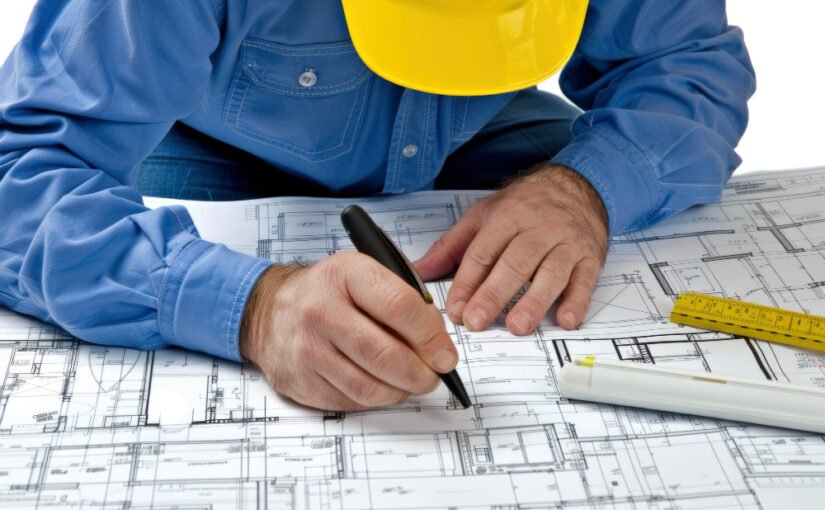
Built-in drawings are basically detailed drawings showing the basic structure along with the entire detailing of a building. In their most basic form, as-built drawings are just drawings that depict the actual built structure. As-built drawings are defined by a variety of industries. Not as it was intended, but how it is in reality right now. There is no doubt that structures aren’t always constructed according to plan, so even if you already have a set of drawings, creating as-built drawings is helpful. However, nothing beats having a set of drawings that have been really measured and validated in the field. And nothing will help you save money and hassles like a complete set of as-built drawings.

When you are applying for industrial space or building it is crucial to have an industrial permit drawing. Why is that so? To begin with, individuals constantly alter their designs while they are building something, and these changes hardly ever end up in a new set of amended plans.

The reason why? Since the blueprints’ only purpose is to instruct the builder on what to build, they shouldn’t be updated if the change is made in the field. Additionally, a building of any age may have undergone subsequent renovations that altered its original design. These projects may have changed everything from the interior finishes to the structure’s primary structural system and this includes brand new buildings too. And most frequently, these projects are carried out without approval, without blueprints, and, in the worst circumstances, without any kind of supervision.

Therefore, keep the above things in mind if you have a project that involves any kind of renovation or addition to an existing building. A good set of as-built drawings are quite valuable. You can even use them to work with for years after they are generated. For a comprehensive industrial permit drawing in Brampton, you can also connect with Arcline Designs.