Second Unit Basement Drawings in Brampton: Planning & Compliance Guide

As housing needs evolve, cities across Ontario have increasingly embraced secondary dwelling units as a way to expand housing options without altering neighborhood character. In Brampton, second unit basements—often referred to as basement apartments—have become a significant part of this approach. Behind every compliant and functional second unit lies a set of carefully prepared drawings that translate policy, safety, and usability into buildable form. Understanding Second Unit Basement Drawings in Brampton is therefore essential for homeowners, students of the built environment, and anyone interested in residential design.

This article is written as a top-of-funnel, educational guide. It focuses on principles, intent, and local context rather than services or promotion, offering a clear picture of why basement drawings matter and what they typically include.

What Is a Second Unit Basement?

A second unit basement is a self-contained residential dwelling located within the basement of a primary home. It typically includes its own sleeping area, kitchen, bathroom, and living space, while remaining part of a single residential property.

In Brampton, second unit basements are regulated to ensure they are safe, livable, and compatible with existing neighborhoods. As a result, Second Unit Basement Drawings in Brampton must reflect both building code requirements and local zoning expectations.

Why Drawings Matter More Than Many Realize

Basement renovations often begin with construction in mind, but compliance begins with drawings. These documents are more than visual aids; they are technical records used to assess safety, legality, and feasibility.

Well-prepared Second Unit Basement Drawings in Brampton help clarify:

How spaces are organized and accessed

Whether ceiling heights and room sizes meet minimum standards

How fire separation and egress are addressed

How plumbing, ventilation, and electrical systems are arranged

Without clear drawings, even well-intentioned projects can face delays or compliance challenges.

Local Context: Why Brampton Is Unique

While provincial building codes set baseline standards, the municipal context plays a major role in shaping basement unit design.

Brampton’s considerations include:

Established residential neighborhoods with varying lot sizes

A mix of older homes and newer subdivisions

Increased demand for rental housing

Emphasis on life safety and fire separation

Because of this, Second Unit Basement Drawings in Brampton often require careful adaptation rather than generic layouts.

Core Components of Basement Unit Drawings

Second unit basement drawings typically consist of multiple coordinated sheets. Each serves a distinct purpose in communicating design intent and compliance.

Floor Plans

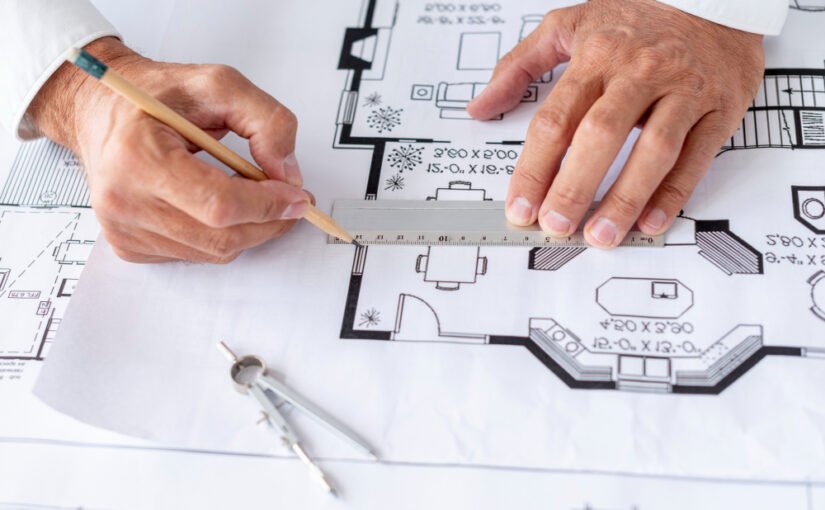
Floor plans show the overall layout of the basement unit. They identify rooms, dimensions, wall locations, doors, and windows.

For Second Unit Basement Drawings in Brampton, floor plans are critical in demonstrating minimum room sizes, clearances, and circulation paths.

Sections and Elevations

Sections cut through the building vertically, revealing ceiling heights, floor assemblies, and structural relationships. Elevations show wall faces and window placement.

These views help reviewers verify headroom, insulation placement, and fire-rated assemblies—key aspects of compliant basement units.

Fire Safety and Life Safety Representation

Fire protection is one of the most closely reviewed aspects of second unit design. Basement drawings must clearly illustrate life-safety measures.

Common elements shown include:

Fire-rated floor and wall assemblies

Interconnected smoke and carbon monoxide alarms

Fire separation between units

Protected exit paths

In Second Unit Basement Drawings in Brampton, clarity in depicting these features is essential for demonstrating occupant safety.

Egress and Exit Requirements

Basement units must provide a safe means of escape. Drawings typically illustrate:

Exit stair configurations

Window sizes and sill heights for emergency egress

Travel distances to exits

Because basements are partially below grade, egress design often becomes a defining factor in Second Unit Basement Drawings in Brampton.

Ceiling Height and Spatial Constraints

Ceiling height is a common challenge in basement design. Structural beams, ductwork, and existing foundations can limit usable headroom.

Drawings help identify where ceiling height meets minimum requirements and where bulkheads or soffits are unavoidable. In Brampton, demonstrating compliant headroom is a recurring theme in Second Unit Basement Drawings in Brampton.

Plumbing, Mechanical, and Ventilation Layouts

Basement units require independent or shared services that function safely and efficiently. Drawings often indicate:

Location of bathrooms and kitchens

Drainage and venting paths

Mechanical equipment placement

Fresh air and exhaust routes

Clear coordination of these systems within Second Unit Basement Drawings in Brampton helps avoid conflicts during construction.

Natural Light and Habitability

Access to natural light contributes to livability. Drawings typically show window sizes, locations, and light wells where applicable.

In basement units, maximizing daylight within constraints is an important design consideration reflected in Second Unit Basement Drawings in Brampton.

Accessibility and Practical Use

While not all basement units are required to be barrier-free, practical accessibility considerations often influence layout decisions. Wider corridors, logical room sequencing, and clear access to exits improve usability.

These considerations often appear subtly within Second Unit Basement Drawings in Brampton, even when not explicitly mandated.

Reviewing and Approval Considerations

Second unit basement drawings are typically reviewed for completeness, clarity, and compliance. Ambiguity can lead to requests for revision.

Well-organized Second Unit Basement Drawings in Brampton reduce review friction by clearly communicating intent, dimensions, and safety features.

Common Design Challenges

Designing a basement unit within an existing structure presents recurring challenges:

Limited ceiling height

Structural obstructions

Existing stair placement

Moisture control

Drawings serve as the primary tool for resolving these challenges before construction begins, making them central to Second Unit Basement Drawings in Brampton.

Educational Value of Basement Drawings

Beyond approvals, basement drawings offer educational insight into residential design constraints. They reveal how regulation, structure, and human comfort intersect.

For students and homeowners alike, studying Second Unit Basement Drawings in Brampton helps build an appreciation for thoughtful space planning under real-world limitations.

Looking Ahead: Basement Units and Urban Housing

As cities seek gentle density solutions, second unit basements will continue to play a role in housing supply. This makes accurate, context-aware drawings increasingly important.

In Brampton, Second Unit Basement Drawings in Brampton are not just technical documents—they are part of a broader effort to create safe, adaptable housing within established communities.

Final Thoughts

Second unit basement drawings quietly shape the success of a project long before any renovation begins. They translate rules, constraints, and aspirations into a coherent plan that balances safety and livability.

By understanding the principles behind Second Unit Basement Drawings in Brampton, readers gain insight into how thoughtful design supports compliant, comfortable, and responsible residential growth.
Second Unit Basement Drawings in Brampton: A Complete Homeowner Guide

With housing demands increasing across the Greater Toronto Area, many homeowners are exploring ways to maximize the usable space within their existing properties. One of the most effective solutions has been the creation of a legal second unit in the basement. In Brampton, this option not only offers rental potential but also provides flexible living arrangements for extended families. However, before construction begins, one critical step determines the success of the entire process: preparing accurate and compliant Second Unit Basement Drawings in Brampton.

About Arc Line Design

For homeowners seeking professionally prepared Second Unit Basement Drawings in Brampton, Arc Line Design provides drawing services aligned with Brampton zoning bylaws and Ontario Building Code requirements, supporting smoother permit approvals and compliant basement conversions.

This guide explains what these drawings involve, why they matter, and how they align with local regulations—without focusing on sales or promotion.

Understanding Second Units in Brampton

A second unit refers to a self-contained residential dwelling within a single detached, semi-detached, or townhouse property. It typically includes a separate entrance, kitchen, bathroom, and sleeping area. In Brampton, second units must comply with zoning bylaws, the Ontario Building Code, and local fire safety regulations.

Second unit basement drawings in Brampton serve as the technical blueprint that communicates how the proposed unit will meet these requirements. These drawings are not optional—they are essential documents reviewed by municipal authorities during the permit approval process.

Why Basement Drawings Are Crucial

Many homeowners assume drawings are simply floor plans. In reality, second unit basement drawings in Brampton are detailed technical documents that demonstrate compliance with structural, fire, plumbing, electrical, and life-safety standards.

These drawings help:

Prevent costly construction errors

Ensure legal approval from the City of Brampton

Align contractors, inspectors, and homeowners on the same scope

Reduce delays during inspections

Without accurate drawings, permit applications are often rejected or delayed.

What Is Included in Second Unit Basement Drawings in Brampton?

1. Existing and Proposed Floor Plans

These plans show the current basement layout and the proposed second unit configuration. They include room sizes, wall locations, door swings, and circulation paths.

2. Ceiling Heights and Structural Details

Minimum ceiling height requirements must be met. Drawings clearly indicate slab-to-ceiling measurements, beam locations, and any bulkheads.

3. Fire Separation Details

Fire-rated assemblies between units are mandatory. Second unit basement drawings in Brampton include:

Fire-rated drywall specifications

Sound separation requirements

Fire blocking and draft stopping

4. Egress and Exit Plans

Each bedroom must have proper egress windows or access to exits. Window sizes, sill heights, and exit paths are all clearly documented.

5. Plumbing and Drainage Layouts

Drawings identify:

Bathroom and kitchen fixture locations

Drain slopes and venting

Backwater valve placement, if required

6. Electrical Layouts

These plans outline:

Lighting placement

Smoke and carbon monoxide detectors

Panel upgrades or sub-panels

7. Mechanical Systems

Heating, ventilation, and air distribution systems are illustrated to ensure adequate airflow and independent temperature control where required.

Zoning Considerations in Brampton

Before preparing second unit basement drawings in Brampton, zoning compliance must be evaluated. Not all properties automatically qualify for a second unit.

Key zoning considerations include:

Minimum lot size and frontage

Parking space requirements

Maximum unit size relative to the main dwelling

Entrance placement

Drawings must reflect these zoning constraints accurately to avoid permit rejection.

Ontario Building Code Requirements

Second unit basement drawings in Brampton must follow Ontario Building Code (OBC) standards, particularly Part 9 for residential construction.

Important OBC aspects addressed in drawings include:

Fire resistance ratings

Spatial separation

Sound transmission class (STC) ratings

Life safety systems

Municipal reviewers rely heavily on these drawings to confirm compliance.

Fire Safety and Life Safety Planning

Fire safety is one of the most scrutinized aspects of second unit basement drawings in Brampton. The drawings must demonstrate:

Proper fire separation between units

Interconnected smoke alarms

CO detectors near sleeping areas

Safe exit routes

Failure to clearly show these elements often leads to multiple revision requests from the city.

Permit Application Process in Brampton

Once second unit basement drawings in Brampton are completed, they are submitted as part of the building permit application.

The review process typically involves:

Zoning review

Building code compliance check

Fire safety review

Mechanical and plumbing evaluation

Well-prepared drawings significantly reduce approval timelines and inspection issues.

Common Mistakes Homeowners Make

Despite good intentions, homeowners often encounter setbacks due to drawing-related issues.

Common errors include:

Inaccurate measurements

Missing fire separation details

Incorrect egress window sizing

Ignoring ceiling height requirements

Incomplete mechanical layouts

Professional-grade second unit basement drawings in Brampton help eliminate these problems early.

Renovation vs. New Basement Conversion

Whether converting an existing finished basement or building a new one, the drawing requirements remain largely the same. However, renovation projects often require additional documentation, such as:

Demolition plans

Structural reinforcement details

Upgrades to existing services

Second unit basement drawings in Brampton adapt to both scenarios by clearly distinguishing existing conditions from proposed changes.

Long-Term Benefits of Proper Drawings

Although drawings are an upfront investment, they provide long-term value:

Easier resale documentation

Legal recognition of the second unit

Fewer disputes during construction

Smoother inspection approvals

Accurate second unit basement drawings in Brampton also protect homeowners from compliance risks in the future.

Sustainability and Modern Design Considerations

Modern basement units increasingly incorporate energy efficiency and comfort-focused features. Drawings may reflect:

Improved insulation values

Efficient HVAC layouts

Natural light optimization

Soundproofing enhancements

These considerations improve livability without compromising regulatory compliance.

Final Thoughts

Creating a legal second unit is not just a construction project—it is a regulatory process that begins with precise planning. Second Unit Basement Drawings in Brampton act as the foundation for approvals, safety, and long-term usability. Understanding their scope and importance empowers homeowners to make informed decisions and avoid unnecessary setbacks.

Key Things to Keep in Mind for Second Unit Basement Drawings in Brampton

If you are new to basement transformations, it is time to learn about them and understand how creating an additional room out of your current basement could help boost your cash inflow. When it comes to preparing second unit basement drawings in Brampton for owners like you, here are a few things that you should take into due consideration before roping in a professional contractor, such as Arcline Design.

second unit basement drawings in Brampton

Are Increasing Property Prices Preventing You from Buying a Rentable House?

Since a single-family house in Ontario happens to cost as much as about a whopping six-hundred thousand dollars as of twenty-twenty, purchasing an investment property has become even more challenging over time, particularly for the retail clientele populace. However, you may not need to buy another home for wealth creation —not anymore! Have you ever pondered that you could easily leverage a portion of what you already have in your kitty to yield a supplemental income and increase your liquidity?

Rise of the ADUs in the Greater Toronto Area and Everywhere Else in Canada

Also known as an au-pair unit, granny flat, or in-law apartment, an accessory dwelling unit, or ADU, in short, essentially refers to a secondary housing unit in a property that its owner may utilize as a rental apartment, guest room, room for the domestic help, or whatsoever one may wish. Several homeowners across Ontario as well as other provinces in the country are increasingly choosing to rechristen their existing basement into an ADU to yield a supplemental income or scale up the current living space whilst families are only to grow out of their size eventually with the birth of a new member or more.

Admittedly, there are several things to consider before converting your basement into an ADU, including how to purpose-craft the second unit basement drawings in Brampton and whom to engage for the said kind of work. Note that you must begin by contacting the municipal/provincial/federal government authorities and checking with them to find out whether or not there are any potential restrictions in place on constructing an ADU on your property. Since the local zoning rules and regulations change all the time, you must limit seeking advice on this particular matter from any public official only.

Next, you will need to determine whether your basement would be able to accommodate the proposed conversion or not, and if it may, you would have to submit the required paperwork in advance to get the necessary approvals from the concerned departments. Once everything is where it should be and now that you have received an official clearance in writing to go ahead with this home upgrade project, you may commence the job as planned.

To suffice, having an ADU on your premises could provide you with a plethora of benefits. By equipping you with a sustainable source of secondary income, it may help with your first/second/third mortgage payments, allow your aged parents or in-laws to co-inhabit, or let your growing children indulge in outdoor-kind-of-fun without the need to go outside amidst the ongoing COVID 2019 pandemic.

Call us now to learn more about how we may help you draft the second unit basement drawings in Brampton on your own without spending a fortune!